Originally Published By Vanguard
The gross violation of human rights is a cornerstone in the argument for remedial secession by the South-East region (Igbo-Biafra) from Nigeria. Historically, the Igbo people have been subjected to systemic oppression, violence, and marginalisation at the hands of the Nigerian state, a situation that has continued in various forms from the time of Nigeria’s independence to the present day. International law increasingly acknowledges the right to remedial secession when a state fails to protect a portion of its population from severe and systemic human rights abuses, or worse, when the state itself is the perpetrator of such abuses.
Historical Context: The Nigerian Civil War and its Aftermath
The most notable example of these abuses occurred during the Nigerian Civil War (1967–1970), also known as the Biafran War, when the South-East region declared independence as the Republic of Biafra. The war that followed was characterised by extreme brutality, including widespread starvation and the deaths of over a million civilians. Nigeria’s use of blockades, bombings, and military action against Biafran civilians constituted what many scholars and human rights advocates describe as genocidal acts. Humanitarian organisations, such as the International Committee of the Red Cross and Doctors Without Borders, reported on the harrowing conditions faced by civilians during this period, where starvation was used as a weapon of war.
Although the war officially ended in 1970, with the Biafran forces surrendering to the Nigerian government, the Igbo people have continued to suffer from structural marginalisation, economic neglect, and political exclusion. Despite assurances from the Nigerian government of reconciliation and reintegration of the South-East region into the broader Nigerian state, the promises of equal treatment have never been realised. Instead, systemic discrimination has persisted, cementing the case for remedial secession as the only viable path for the Igbo people to achieve justice and self-determination.
Continued Violations and Discriminatory Policies
The marginalisation of the Igbo-Biafra region is not just a historical event; it is an ongoing reality. After the war, the Nigerian government-initiated policies that systematically discriminated against the South-East region, particularly in areas of political representation, resource allocation, and federal appointments. One prominent example of this systemic discrimination is the uneven distribution of states among Nigeria’s geopolitical zones. The South-East is composed of only five states, compared to six or seven states in other regions, which diminishes the political representation of the Igbo in the National Assembly and other governmental institutions.
This disparity in state creation has significant ramifications for the South-East in terms of political representation and economic resource distribution. Nigeria’s federal structure allocates resources based on the number of states in each region, meaning that the South-East receives less federal funding and political influence than other parts of the country. The underrepresentation of the South-East in the Senate and the House of Representatives has further curtailed the region’s ability to advocate for its interests and protect itself from discriminatory policies enacted at the federal level.
Additionally, key political and military appointments have persistently excluded the Igbo people. Positions such as those in the executive, judiciary, and top security apparatus (e.g., the military, police, and intelligence agencies) are overwhelmingly dominated by individuals from other regions, particularly the North. This exclusion violates Nigeria’s Federal Character Principle, which is enshrined in the constitution to ensure equitable representation of all regions and ethnic groups in federal institutions. The consistent failure to apply this principle in favour of the South-East reinforces the perception of ethnic bias and deepens the region’s grievances.
State-Sponsored Oppression and Militarisation of the South-East
The Nigerian state’s treatment of pro-Biafra activists and movements further illustrates the persistent human rights abuses directed at the South-East. Igbo-Biafra self-determination activists have been subject to heavy-handed repression, including arbitrary arrests, extrajudicial killings, and violent crackdowns on peaceful protests. Reports from human rights organisations such as Amnesty International have documented numerous instances where Nigerian security forces used excessive force to suppress political dissent in the South-East. These crackdowns, which often target young Igbo men, are carried out under the pretext of maintaining national security but, in reality, serve as a form of ethnic suppression and intimidation.
A notable example is the Operation Python Dance, a military exercise initiated in the South-East to allegedly combat criminal activity but which, in practice, has led to widespread human rights violations. The military’s presence in the region has exacerbated tensions, leading to frequent clashes between the military and pro-Biafra protesters. The targeting of political movements advocating for self-determination has been described by many as a form of ethnic cleansing aimed at silencing the Igbo people and suppressing their aspirations for autonomy.
The consistent deployment of the military to quell political dissent in the South-East, rather than addressing the root causes of these grievances, suggests that the Nigerian government views the Igbo-Biafra region as a threat to its political stability rather than an integral part of the nation deserving of equal rights and protection. This militarisation has contributed to an atmosphere of fear and distrust, pushing more Igbo people towards supporting the cause for secession.
Genocide and Ethnic Cleansing: Allegations of Intentional Depopulation
The Biafran War, with its extensive use of starvation tactics and the deliberate targeting of civilian populations, is often cited as an instance of genocide against the Igbo people. Scholars and human rights experts argue that the Nigerian government’s actions during the war, particularly the blockade of food and medical supplies to Biafran territory, were designed to exterminate a significant portion of the Igbo population. Although the Nigerian government has denied these allegations, the fact remains that the Igbo people suffered disproportionately during the conflict, and many of the issues that led to the war—such as political exclusion and ethnic discrimination—remain unresolved.
The post-war marginalisation of the Igbo, coupled with recent actions by the Nigerian government, reinforces the notion that ethnic cleansing may still be at play, albeit in more subtle forms. Policies that deprive the South-East of equitable political representation and economic opportunities, combined with state-sponsored violence against Igbo self-determination movements, suggest that the Nigerian government is intent on weakening the region’s ability to assert its identity and political autonomy.
International Law and the Right to Remedial Secession
Under international law, the right to remedial secession is increasingly recognised in situations where a group experiences extreme oppression, and where the state either fails to protect them or is complicit in their suffering. The International Court of Justice (ICJ) in its advisory opinion on Kosovo alluded to the possibility of secession in cases of severe human rights abuses. Similarly, the African Commission on Human and Peoples’ Rights, in the case of *Katanga vs. Zaire*, recognised that groups may assert a right to self-determination, including secession, when subjected to grave violations of their fundamental rights.
In the case of the South-East region, the Nigerian government’s long-standing pattern of discrimination and violence against the Igbo people provides a strong basis for invoking the right to remedial secession. The international community has increasingly supported the principle that secession may be a legitimate response to ongoing and unresolved human rights abuses, particularly when all other remedies have been exhausted. In this case, the consistent marginalisation, political exclusion, and militarisation of the South-East by the Nigerian state suggest that internal political remedies are no longer viable. The Igbo people’s demand for self-determination and the possibility of secession are, therefore, grounded in the principles of justice and fairness under international law.
Conclusion: The Case for Remedial Secession
The gross human rights violations committed against the Igbo people of the South-East, both historically and in contemporary Nigeria, form a compelling case for remedial secession. The systemic discrimination, political exclusion, and state-sponsored violence faced by the South-East region not only violate Nigeria’s own constitutional principles but also contravene international human rights norms. The Nigerian government’s failure to address these grievances, despite repeated calls for reform, justifies the South-East’s demand for self-determination and independence.
International law recognises that when a state perpetuates or fails to prevent gross human rights violations against a segment of its population, that group may have the right to secede as a means of protecting its fundamental rights. The South-East region’s pursuit of remedial secession is, therefore, not only justified but necessary to safeguard the dignity and future of the Igbo people.
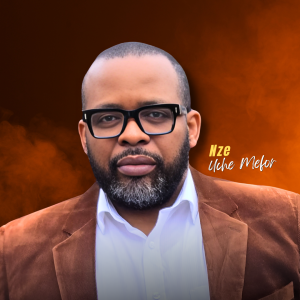
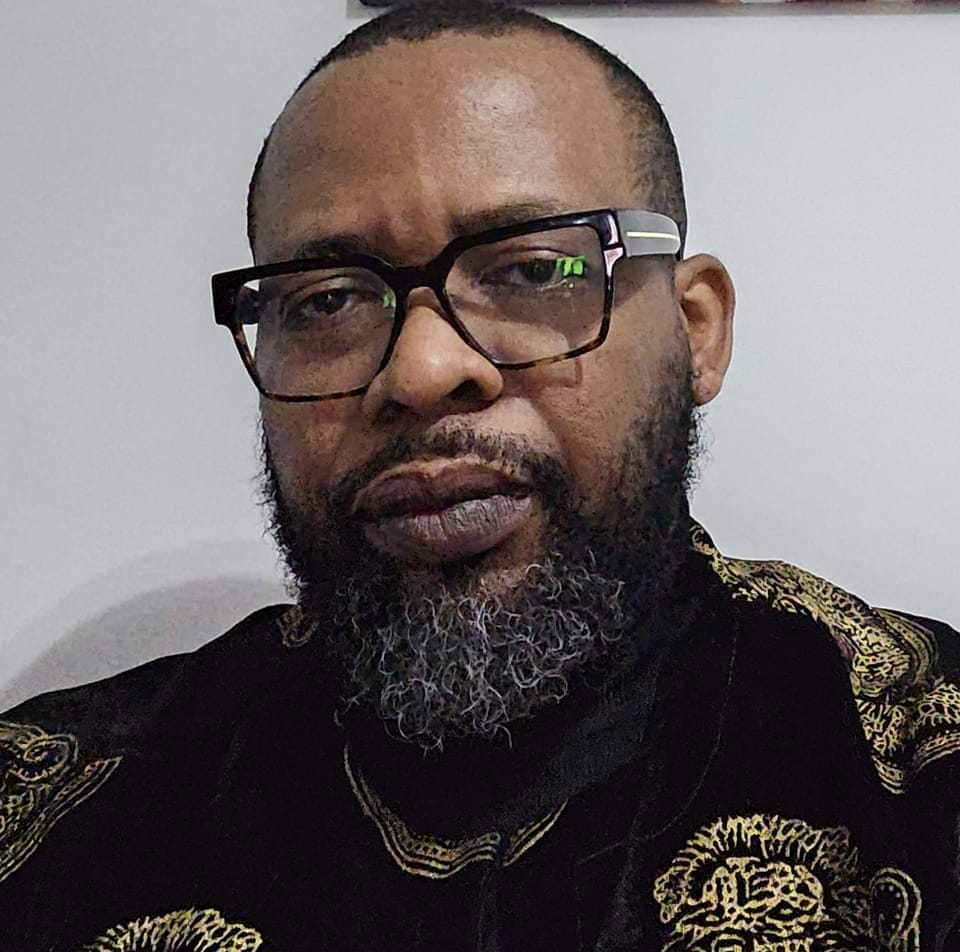
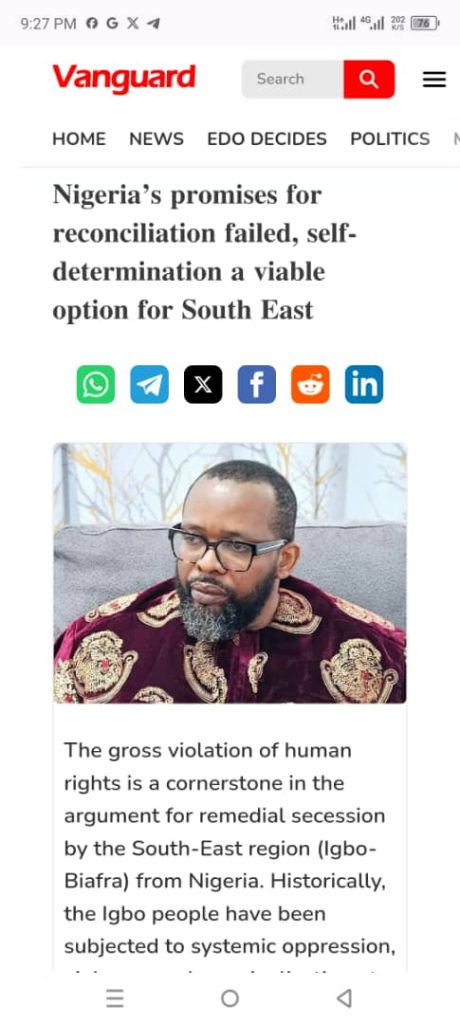
Uche Mefor is the Convenor of the Igbo-Biafra Nationalists and the Indigenous People of Igbo Nation for Self-Determination