
Legal Memorandum
To: Leadership of the South-East Zone (Anambra, Enugu, Abia, Imo, and Ebonyi States) and Allied Self-Determination Movements
Subject: Legal Opinion on the Right of the South-East Zone to Internal and External Self-Determination and, as a Last Resort, Remedial Secession
I. Introduction
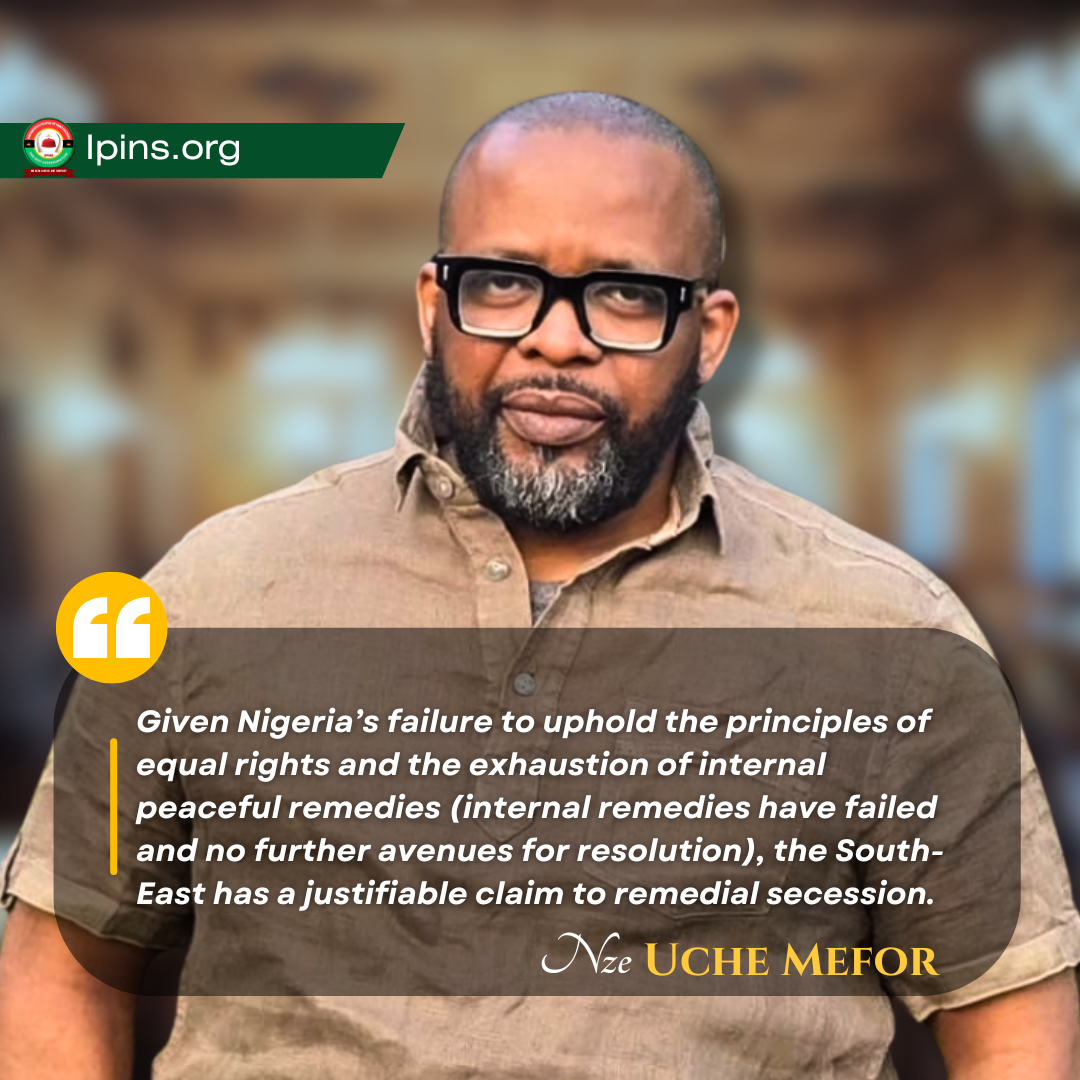
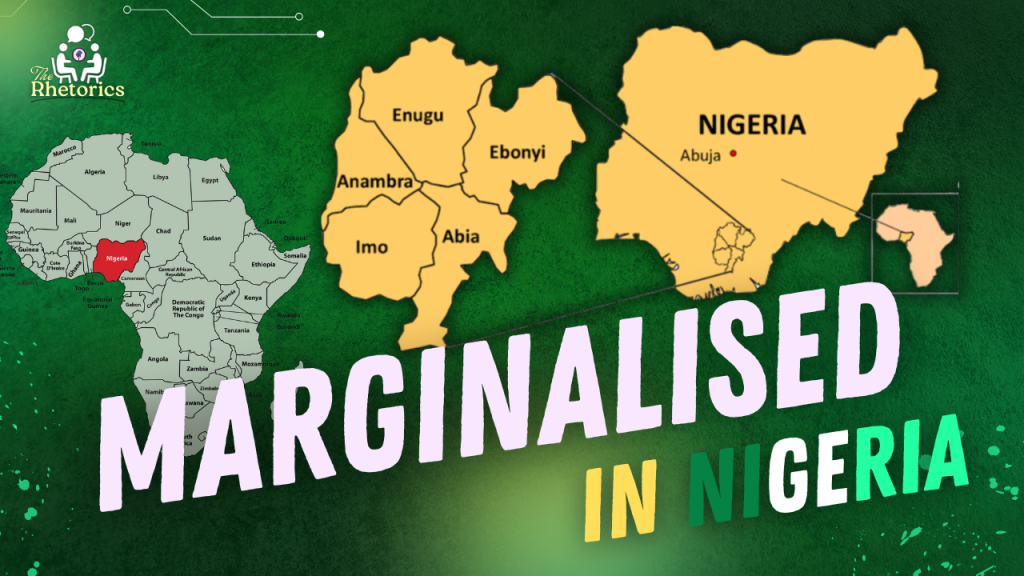
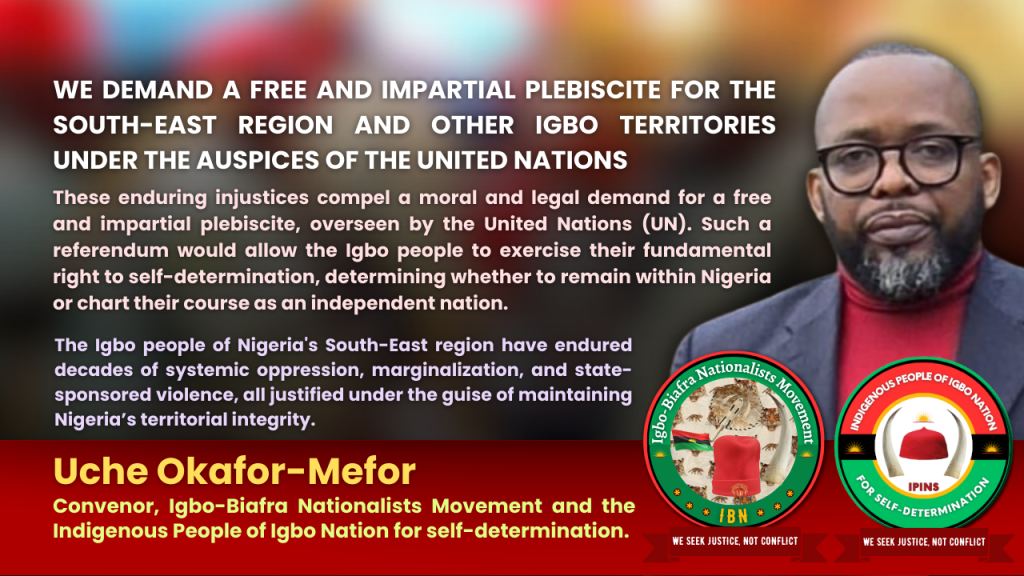
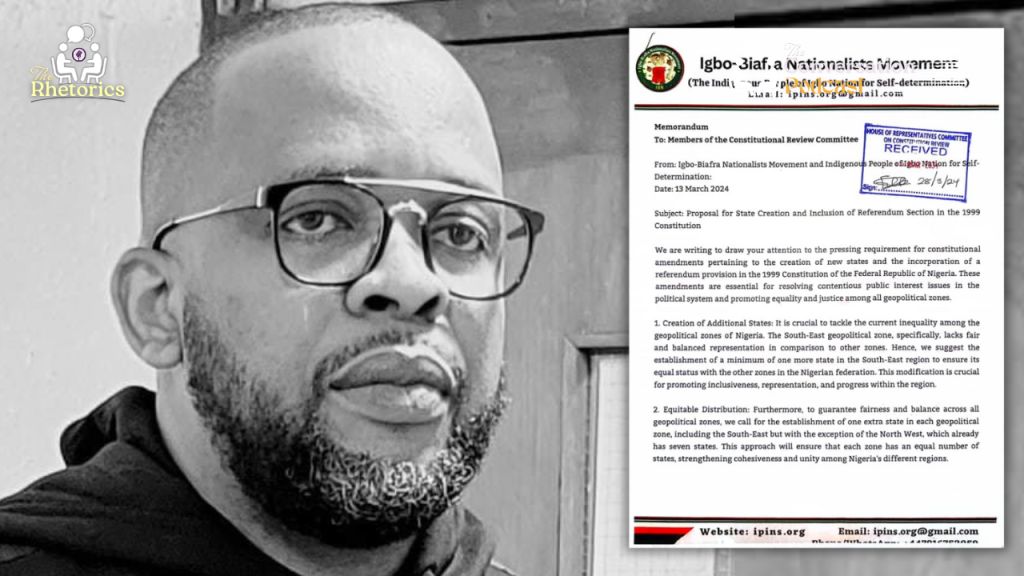
This memorandum evaluates the legal merit of the self-determination claims advanced by the concerned peoples of the South-East zone of Nigeria, encompassing Anambra, Enugu, Abia, Imo, and Ebonyi States. Drawing on the normative framework proposed by Milena Sterio and recent elaborations by the Igbo-Biafra Nationalist Movement (IBN) and the Indigenous People of the Igbo Nation for Self-Determination (IPINS) convened by Uche Mefor, it argues that international law supports the right of the South-East to internal and external self-determination and, in the face of systemic and unresolved injustice, the right to remedial secession whenever they are willing and able to do so.
II. Legal Basis for Self-Determination and Remedial Secession
International law recognises the right to self-determination for all peoples. This includes:
• Internal self-determination, such as regional autonomy and cultural expression;
• External self-determination, including independence in cases where internal self-determination is denied;
• Remedial secession, as a last resort where systemic violations of rights are proven and internal mechanisms have failed.
III. Application of Sterio’s Framework and IBN-IPINS Case
1. Historical Claim to Independence: The Igbo-Biafra region has a well-established cultural, linguistic, and historical identity that predates colonial formations. The arbitrary amalgamation of Nigeria ignored these identities. This region’s prior declaration of independence (1967–1970) underscores a longstanding aspiration to sovereignty.
2. Gross Human Rights Violations: The Nigerian Civil War resulted in massive civilian deaths, often characterised as genocidal. Since then, subtle but systemic discrimination persists, including unequal state allocations and targeted repression of Igbo youths and activists.
3. Discrimination and Lack of Representation: The South-East holds only five states, unlike other zones with six or seven. Igbo communities remain underrepresented in federal institutions, ministries, and security agencies, violating their rights to equal participation.
4. Unfulfilled Political Agreements: The Nigerian government’s rejection of the Ohaneze Ndigbo petition to the Oputa Panel and its disregard of the 2014 National Conference outcomes reflect institutionalised unwillingness to redress grievances.

5. Violation of Post-War Terms: The creation of states beyond the original 12 agreed upon in the 1970 surrender accord (clause C) constitutes a breach of the reintegration agreement and undermines Nigeria’s legitimacy over the region.
6. Ethnic Targeting by Security Forces: Military operations in the South-East disproportionately target peaceful activists rather than terrorists. The contrast in treatment between the South-East and other regions reflects discriminatory state practice.
7. Sui Generis Case of Apartheid-like Discrimination: The systemic targeting and the discriminatory exclusion of South-Easterners from political power(short-changing in the number of states and local government areas, the underrepresentation at the National Assembly(South-East has only 15 senators and 43 House of Representatives), short-changing in revenue allocations due to fewer states and local government areas, and appointment of security chiefs/other federal appointments due to violation of the federal character principle have created a de facto ethnic apartheid. This surpasses the threshold for invoking remedial secession.
IV. Conclusion
The South-East zone qualifies for claim to internal and external self-determination (if they are willing and able to do so); and is grounded in historical precedent, sustained grievances, structural discrimination, and legal doctrine. Given Nigeria’s failure to uphold the principles of equal rights and the exhaustion of internal peaceful remedies (internal remedies have failed and no further avenues for resolution), the South-East has a justifiable claim to remedial secession.