
Igbo needs level playing ground to operate, not neo-colonialism – Biafra Nationalists
Originally Reported on Vanguard newspaper ~ Igbo needs level playing ground to operate, not neo-colonialism – Biafra Nationalists
Within the intricate fabric of Nigerian politics and socio-economic dynamics, the South-East area occupies a crucial position, marked by a history of oppression and ongoing marginalisation. In spite of Nigeria’s claimed progress towards democracy and equality, the treatment of the South-East region still reflects the remnants of neo-colonialism(internally and presently being perpetuated by a blackman’s inhumanity against his fellow blackman), maintaining structural inequities and suppressing the ambitions of millions Igbo-Biafrans whose ancestral home is the present South-East region.
Read also: Igbo-Biafra Nationalists call for redrawing of Biafra map
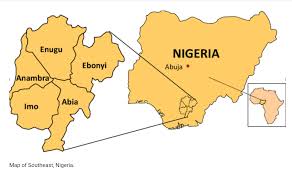
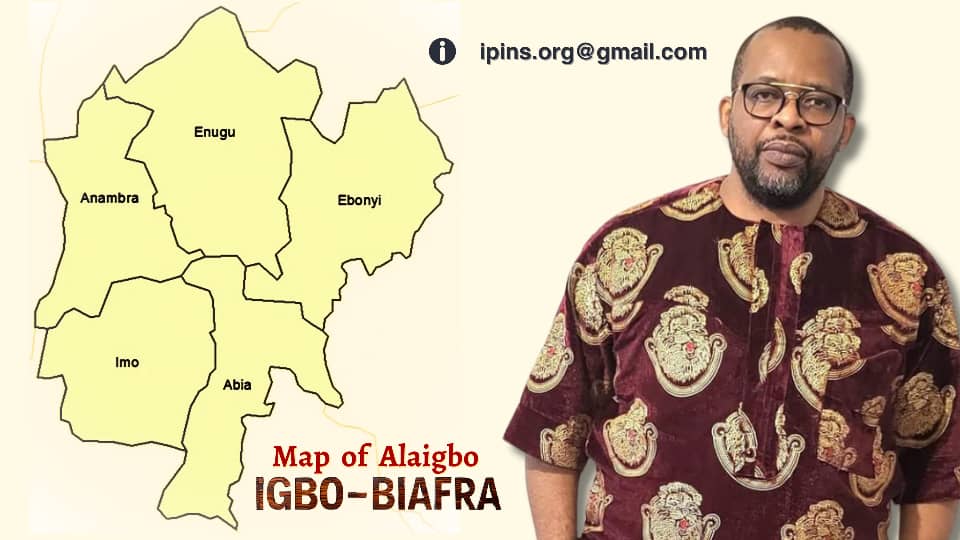
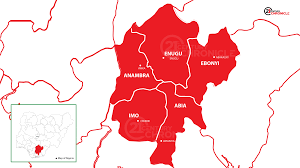
The Nigerian state has intentionally implemented a strategy, an apartheid policy to keep the South-East region in a state of permanent minority status, limiting its potential to a minuscule percentage. Nigeria’s power brokers exercise control by confining the region to only five states, effectively curbing the potential for economic and political development that would come with a larger territory.
The consequences of this imposed restriction have a widespread impact on the socio-economic spectrum, particularly affecting the Igbo population through deliberate economic suppression. The Igbo people have a well-known reputation for their industrious and entrepreneurial prowess. Throughout history, they have played a leading role in Nigeria’s economy through their individual endeavours, promoting innovation and bringing about wealth and economic prosperity that benefit all. However, their ambitions are consistently limited by discriminatory regulations and institutionalised neglect.
The implementation of economic obstacles functions as a powerful tool of oppression, strategically aimed at weakening the economic independence of the South-East and perpetuating a cycle of reliance on the central authorities. The Nigerian state systematically allocates resources in a discriminatory manner and intentionally neglects vital infrastructure, creating a narrative of marginalisation that pushes the South-East region to the fringes of national development priorities.
Also Read: Southeast underrepresented in National Assembly
IBN, IPINS case for Igbo-Biafra zone/SouthEast Right for a Possible Secession
However, the implications extend far beyond the realm of economics, permeating the very fabric of political representation and social cohesion. Nigeria’s imposition of strict geographical limits in the South-East region creates significant obstacles to political empowerment, resulting in the disenfranchisement of millions of South-Easterners and the establishment of a system of exclusionary politics.
The consequences are clearly seen in the persistent lack of enough South-East voices in important decision-making bodies and legislative chambers. Short-changed and denied seats at the table, the aspirations of the South-East population are relegated to the margins of political discourse to make up the numbers, second class citizens, permanent minorities and perpetuating a cycle of alienation and disillusionment.
Furthermore, the systematic marginalisation of the South-East region undermines the overall framework of Nigerian unity, intensifying feelings of bitterness and disillusionment among the marginalised south-East, Igbo population. Nigeria’s handling of the South-East region serves as a clear example of the significant inequalities that contradict the fundamental principles of equality and unity in diversity upon which the Nigeria is purportedly built.
The path forward demands a paradigm shift in the corridors of power, characterized by a commitment to dismantling the structures of oppression and fostering a climate of genuine inclusivity.In the annals of history, the treatment of the South-East will serve as a litmus test of Nigeria’s commitment to justice and equality. Nigeria must now transcend its colonial history, abandon neo-colonialist tendencies, and embrace a future that fosters and honours the ambitions of all its diverse population.
In reality and to be frank in the circumstances, the Igboman does not need help and handouts, he only needs a level-playing ground to operate but the deliberate political and economic manipulations of the Nigerian state have consistently targeted and singled out the Igbo economic interests for total strangulation. Yet, it is the resilience and the indomitable Igbo spirit that sustain them in the midst of challenges being encountered in the Nigerian state.
In conclusion, the neo-colonialist undertones in Nigeria’s decision to restrict the South-East to only five states demand scrutiny and reflection. This deliberate move to target the economic interests of the Igbos raises questions about the nation’s commitment to equality, justice, and the principles of democracy. It is a call to action, urging stakeholders to engage in meaningful dialogue and collaborative efforts to dismantle the barriers that impede the political, economic, and social growth of the South-East.
Uche Mefor is the Convenor of the Igbo-Biafra Nationalists Movement and the Indigenous People of Igbo Nation for Self-Determination